Live Dealer Blackjack Guide: Everything You Need to Know
How live dealer blackjack actually works, how it compares to software-dealt tables, and everything to know before your first streamed session.
Published July 28, 2026
What live dealer blackjack actually is
For many players, live dealer blackjack is the closest thing to a physical casino trip available without leaving home, and it's become one of the most popular categories across regulated online casinos precisely because it closes that gap so effectively.
Live dealer blackjack streams a real person, dealing real physical cards at a real table, to your device in real time, with your actions relayed back to the table digitally. It sits between a physical casino visit and a fully software-dealt (RNG) game — you get the authenticity and pacing of a real dealer and real cards, without needing to travel anywhere, and with the convenience of playing from a phone, tablet, or computer. This guide covers everything worth knowing before your first live session: how the technology works, how it compares to software-dealt tables, what features are unique to the format, and the practical details — connection, etiquette, tipping — that make the experience feel natural rather than unfamiliar. By the end, a live blackjack lobby should look like a set of familiar, evaluable options rather than an intimidating wall of unfamiliar table names and video feeds.
If you're new to blackjack itself, start with our complete beginner's guide first — this guide assumes you already know how a hand of blackjack plays out and focuses specifically on what's different about the live format, not on the underlying rules of the game itself, which are covered exhaustively elsewhere on this site.
How the technology works
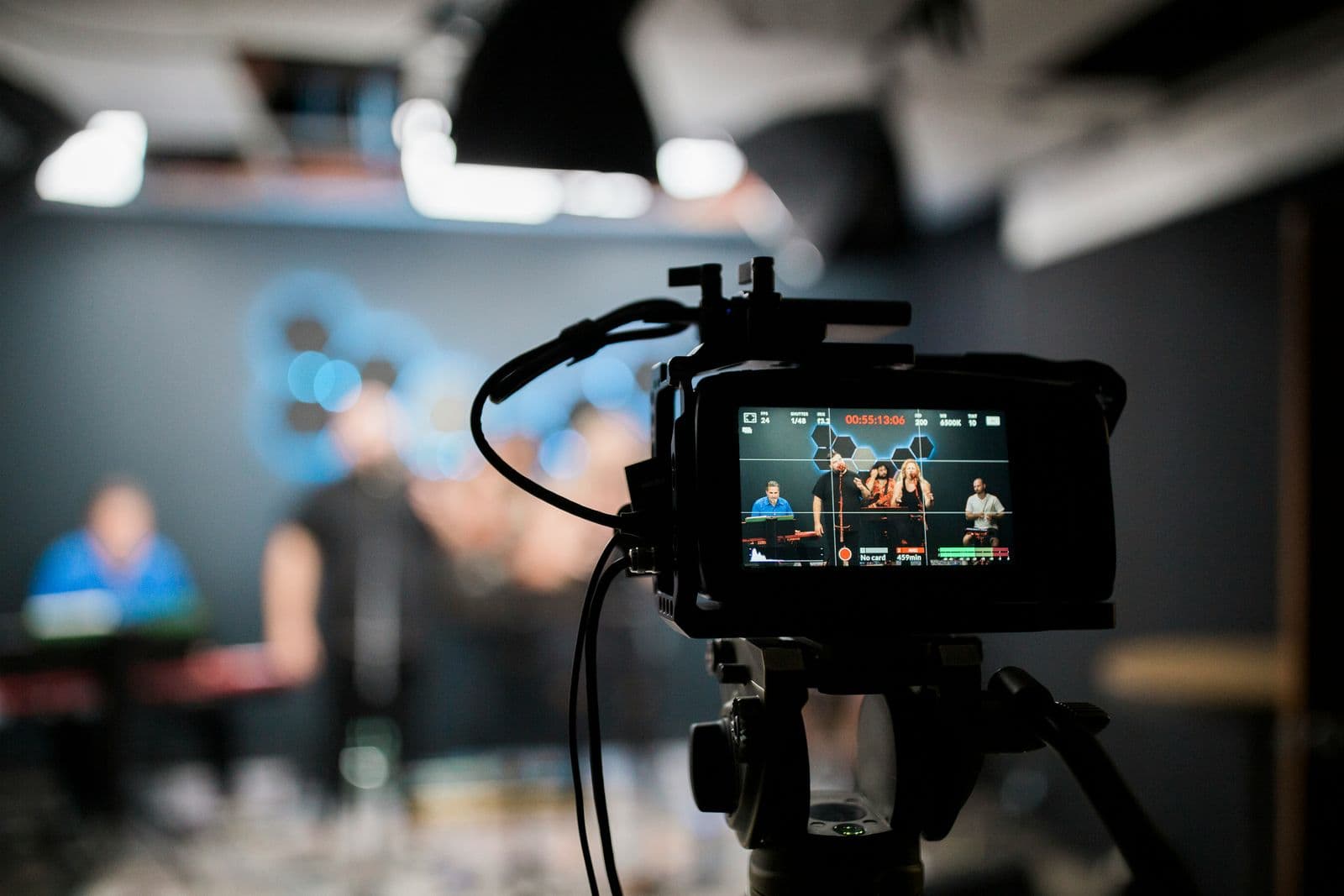
A live dealer table is a real, physical table housed in a broadcast studio operated by the casino or a dedicated live-dealer studio provider. Multiple high-definition cameras capture the table from several angles — typically a wide shot of the full table, a close-up on the card-dealing area, and sometimes a dedicated angle on the shoe itself. Optical card recognition (OCR) technology reads each card as it's dealt, automatically registering it in the game's software so your interface updates instantly and accurately, without relying on the dealer or a separate operator to manually input results. Your actions — hit, stand, double, split — are sent from your device to the table's system, and results are settled automatically the moment the hand resolves, exactly as they would be on a software-dealt table, just layered on top of a real physical game rather than a computer-generated one.
A brief history of how live dealer blackjack developed
Live dealer casino games emerged in the early-to-mid 2000s as streaming and video compression technology matured enough to make real-time broadcast to home internet connections practical. Early versions were limited by bandwidth constraints and relatively basic camera setups, often streaming at low resolution with noticeable lag between a dealer's action and its reflection on a player's screen. The technology matured substantially over the following two decades — high-definition, low-latency streaming became standard, optical card recognition replaced slower manual result entry, and dedicated studio operators emerged specifically to run large-scale, multi-table live operations serving many different casino brands from shared, purpose-built facilities. Today's live blackjack experience — near-instant response, crisp multi-angle video, seamless bet placement — is the product of that two-decade technical evolution, and it's worth appreciating how recently the format reached its current level of polish relative to blackjack's much longer overall history.
How optical card recognition and anti-cheating measures work
Beyond simply making the game convenient to watch, the technology behind live dealer tables plays a direct role in fairness and accuracy. Optical card recognition systems use specially marked or precisely calibrated cards, read by dedicated sensors and cameras positioned specifically to register each card's value the instant it's dealt, independent of the standard broadcast camera feed. This serves two purposes: it lets the game's software update your interface instantly and accurately, and it creates an automatic, auditable record of every card dealt that doesn't rely on a human operator correctly entering results by hand. Layered on top of this, licensed live studios maintain pit supervision analogous to a physical casino floor, dealers work under camera coverage from multiple angles simultaneously, and shoes are managed under strict, logged procedures for shuffling and replacement. None of this is visible to you as a player in the moment, but it's the infrastructure that makes "real dealer, real cards, streamed live" a genuinely auditable claim rather than just a marketing description.
Live dealer vs. software-dealt (RNG) blackjack
The core rules of blackjack are identical between formats — nothing about hitting, standing, doubling, splitting, or how hands are settled changes based on whether a live person or a random number generator is dealing. What differs is pacing, presentation, and a handful of format-specific features. Live tables run on a shared pace set by the dealer and a betting countdown, since real cards take real time to shuffle and deal; software-dealt tables run at whatever pace you personally set, since there's no physical dealing process to wait on. For a broader comparison of these two formats across live casino games generally, not just blackjack, see live casino vs. RNG games, and for a blackjack-specific breakdown of the same comparison, see RNG blackjack vs live dealer blackjack.
Live vs. software-dealt at a glance
| Live dealer | Software-dealt (RNG) | |
|---|---|---|
| Pacing | Shared, set by dealer and betting timer | Fully self-paced |
| Card source | Real physical cards, camera-verified | Random number generator |
| Availability | May require waiting for a seat on fixed tables | Effectively unlimited instances |
| Presentation | Streamed video, real dealer | Digital graphics and animation |
| Rules and strategy | Identical to software-dealt | Identical to live dealer |
| Practice/demo mode | Rarely available | Commonly available |
| Typical stake range | Similar spread, platform-dependent | Similar spread, platform-dependent |
The table above makes the core point of this guide visible at a glance: everything that determines your actual odds — rules and strategy — is identical between formats. Everything that differs is about experience, pacing, and access, not about how the game should be played or evaluated mathematically.
The table and studio setup
Live blackjack tables are laid out just like a physical casino table — a dealer position with the shoe and discard tray, numbered betting spots for up to seven players (on tables that seat multiple players at once), and the same felt markings (payout schedule, insurance line, dealer-rule reminder) covered in blackjack table layout explained. Studios themselves range from small, single-table setups to large multi-table operations running dozens of games simultaneously, each staffed by professional, trained dealers working in shifts, with pit supervisors monitoring for accuracy and fair play exactly as they would on a physical casino floor.
Seating: shared tables vs. your own seat
Many live blackjack tables seat multiple players simultaneously, each with their own numbered betting spot and independent hand, all playing against the same dealer and the same dealt cards. Because seats are limited, popular tables can fill up, especially at peak hours — a genuine difference from software-dealt tables, which can spin up an effectively unlimited number of instances. Some live formats address this with "unlimited seating" designs, where every player gets their own independent hand against the same dealer without a fixed seat cap, removing the availability constraint while preserving the live, real-dealer experience.
Bet behind: playing without a seat
If a table's direct seats are full, or if you simply want to follow another player's hand, many live blackjack tables offer a "bet behind" feature — wagering on a seat you're not directly controlling, with your result determined by that seated player's decisions rather than your own. This is a genuinely useful option for busy tables, and it's worth understanding that you have zero control over the hand's strategy when betting behind; you're purely along for the ride on someone else's hit, stand, double, and split choices, for better or worse.
Multi-camera angles and card verification
Beyond the standard wide-table view, most live blackjack interfaces let you switch to a close-up camera angle focused specifically on the dealing area, useful for confirming card values clearly, especially on a smaller mobile screen. The underlying optical card recognition system provides an additional layer of verification beyond what you can see yourself — every card is registered by the system independently of the video feed, which is part of how live studios maintain accuracy and auditability across thousands of hands dealt per day.
Chat and dealer interaction
Most live tables include a chat window, letting you communicate with the dealer and, on some platforms, other players seated at the table. Dealers are trained to engage warmly while maintaining the pace of the game, and it's entirely normal to ask a dealer to confirm a rule (deck count, payout ratio) through chat. Full detail on chat conventions and broader live-table etiquette is in blackjack etiquette: do's and don'ts at the table.
Tipping live dealers
Tipping ("toking") a live dealer is optional, handled either through a small designated chip placed in a tip spot on the felt or, on many platforms, a dedicated in-app tipping button. It's a personal choice tied to your own budget and how you feel about the session — not a requirement to keep playing, and not something any legitimate operator penalizes players for skipping.
Connection quality and what to expect
Because live dealer blackjack streams real-time video, a stable internet connection meaningfully affects the experience — a weak connection can cause buffering or a temporarily frozen feed. It's worth noting that your bets and hand results are recorded server-side regardless of any video interruption on your end; a dropped connection doesn't put your wager at risk, though it can be a frustrating interruption to the viewing experience. Most platforms offer an adjustable video quality setting, useful for balancing smoothness against data usage, particularly relevant when playing on mobile data rather than Wi-Fi — see our mobile blackjack guide for more on this.
Studio locations and multi-market operations
Live dealer studios are often located centrally and serve many different casino brands and markets simultaneously from a single physical facility, with dealers sometimes trained to work across multiple languages or table formats within a single shift. This centralized-studio model is part of why live dealer blackjack can be offered at scale by even smaller casino operators, who license access to an established studio's tables rather than building and staffing their own broadcast facility — similar in spirit to how many operators license their software-dealt game libraries from third-party providers rather than building every game in-house. Understanding this helps explain why you'll sometimes see the same dealer, table layout, or studio background across tables branded for different casino operators — they're frequently drawing from the same underlying studio infrastructure, just presented through each operator's own interface.
Rule variety across live tables
Live blackjack isn't a single fixed rule set — different studios and operators run different deck counts, dealer soft-17 behavior, and payout ratios, exactly as covered generally in blackjack rules explained. It's worth checking a live table's specific rules screen before playing rather than assuming every live table follows the same standard, since the same rule-comparison habits that matter for software-dealt tables apply equally here.
Gameshow-style and enhanced live variants
Beyond standard live blackjack, a number of enhanced live formats layer additional features on top of the base game — bonus multiplier rounds, expanded unlimited seating, or presenter-hosted formats with additional entertainment elements. These are worth exploring once you're comfortable with standard live blackjack, but the same underlying principle applies: evaluate the actual blackjack rules within any enhanced format using the same criteria you'd use anywhere else, since flashy presentation doesn't exempt a table from the usual payout-ratio and dealer-rule checks. For the full landscape of structurally distinct blackjack games beyond live-specific formats, see blackjack variations explained.
Dealer training and professionalism
Live dealers are trained professionals, typically completing a formal dealer school or in-house training program covering not just card mechanics (accurate, efficient dealing and shuffling) but also game rules, customer service standards, and on-camera presentation. Reputable studios maintain ongoing quality supervision, with pit bosses or floor supervisors monitoring live tables in real time, exactly as they would on a physical casino floor. This professionalism is part of why live dealer errors (a misdeal, an incorrect payout) are rare and, when they do occur, are typically caught and corrected quickly by supervisory staff or the underlying optical recognition system flagging a discrepancy.
Data usage and bandwidth considerations
Streaming real-time video naturally uses more data than a software-dealt table's lightweight graphics, which is worth knowing if you're playing on a limited mobile data plan. Most platforms offer adjustable video quality settings specifically to manage this trade-off — lower settings reduce data usage and are more forgiving of a weaker connection, at the cost of some visual crispness, while higher settings deliver the full high-definition experience for players on strong Wi-Fi or unlimited data. As a rough guideline, an hour of live table play at standard quality settings commonly uses somewhere in the range of several hundred megabytes, though this varies by platform and settings — checking your specific app or browser's data usage after a session is the most accurate way to understand your own usage pattern.
Accessibility features
Many live dealer platforms have expanded accessibility options over time, including multi-language dealer availability (tables specifically staffed by dealers fluent in a given language), adjustable text size and chat readability options, and, on some platforms, tables designed with specific accessibility accommodations in mind. If accessibility features matter to your play, it's worth checking a specific operator's live lobby for language and format filters, since availability varies meaningfully across studios and platforms.
VIP and high-roller live tables
Beyond standard live blackjack, many operators offer dedicated VIP or high-limit live tables, often featuring a more private table setting, a dedicated host, and stake ranges well above standard tables. These VIP tables run the same underlying blackjack rules and require the same basic strategy as any other table — the differences are entirely about service level and stakes, not about the game itself. If you're considering a VIP table, the same rule-checking and bankroll-matching principles from blackjack minimum and maximum bets explained apply, just scaled to a higher stake range.
Common live-specific mistakes to avoid
A handful of mistakes come up specifically in the live format that don't apply to software-dealt play. Betting later than necessary during the countdown window risks missing a hand entirely on a slow connection — placing your bet promptly once the betting window opens is a simple habit worth building. Assuming every live table runs identical rules is another common error; as covered earlier in this guide, live tables vary in deck count, soft-17 behavior, and payout ratio just as much as software-dealt tables do, and skipping the rules check specifically because a table "feels" premium or high-production is a mistake worth avoiding. Finally, treating a live dealer's presence as a reason to deviate from basic strategy — playing more conservatively or aggressively based on a sense of the dealer's "luck" — is a version of the gambler's fallacy covered in blackjack odds explained; the dealer's play is exactly as fixed and rule-bound live as it is on a software-dealt table.
Licensing and regulation of live studios
Live dealer studios operate under the same gambling licensing and regulatory frameworks as the broader online casino industry, with studios typically holding their own licenses or operating under an umbrella license shared with the casino brands they serve. Regulators overseeing live studios typically require the same fairness and auditing standards applied to software-dealt RNG games, adapted to the specifics of a live, camera-verified format — covering shoe management, dealer conduct standards, and the accuracy of optical card recognition systems. Checking that both the studio and the casino brand presenting its tables are properly licensed is worth doing as part of the same operator-vetting process that applies to any other form of online gambling.
Strategy: does it change for live dealer?
No — basic strategy, covered comprehensively in blackjack basic strategy guide and blackjack strategy chart explained, applies identically to live dealer tables. The correct action for any given hand depends on the table's rules and your hand versus the dealer's upcard, not on whether a real person or software is dealing. What's worth adjusting is pacing-related: live tables run on a shared betting countdown, so it's worth deciding your action promptly once your turn arrives rather than taking the extended, unhurried time a software-dealt table allows.
Card counting on live tables
Card counting depends on tracking a shoe's composition across many hands dealt from the same, minimally-shuffled deck — conditions that exist unevenly across live tables. Some live studios use a manageable number of decks with real, visible shuffling on a predictable schedule, while others use technology like continuous shuffling machines that make counting impractical. If card counting matters to you specifically, it's worth researching a given studio's shuffling approach, though for the overwhelming majority of players, basic strategy — not counting — remains the relevant skill regardless of format.
Why some players prefer live over software-dealt
Understanding the appeal helps frame when live dealer play makes sense for you specifically. Some players value the authenticity of watching real cards dealt by a real person, finding it more trustworthy or simply more enjoyable than a digitally rendered table, regardless of the fact that both formats carry identical rules and comparable fairness guarantees under proper licensing. Others value the social element — chatting with a dealer or other players at a shared table — that a solitary software-dealt session doesn't offer. Still others specifically seek out the pacing: the natural rhythm of a real dealer shuffling and dealing can feel less rushed than the instant, always-available nature of software-dealt play, which some players find encourages more deliberate, considered decisions. None of these are "better" reasons than simply preferring software-dealt convenience and speed — they're different experiences suited to different preferences, layered on top of an identical underlying game.
Why some players prefer software-dealt over live
The reverse preference is just as valid. Software-dealt tables let you play at your own pace without any betting countdown pressure, useful for players who want extra time to consider a close strategic decision or who simply prefer moving through hands quickly. They're available in effectively unlimited supply, with no seat-availability constraints. They typically offer free-play or demo modes for practicing strategy risk-free, an option rarely available on live tables given the real-time studio resources involved. And they use meaningfully less data, relevant for players on limited connections or mobile data plans. Many experienced players use both formats situationally — software-dealt for practice, quick sessions, or unlimited-hand play, and live dealer for a slower, more immersive session — rather than treating the choice as permanent or exclusive.
Choosing a live blackjack table
Putting the practical pieces together: check the table's specific rules (payout ratio, soft-17 behavior, deck count) exactly as you would for any table; confirm whether it uses fixed seating or unlimited seats if availability matters to you; check the stake range against your bankroll using the principles in blackjack minimum and maximum bets explained; and consider your connection quality if you plan to play primarily on mobile data. None of this is complicated once you've done it a few times, and it's the same rule-checking discipline that applies to every blackjack table on this site, live or software-dealt. Most players settle into a small rotation of two or three preferred live tables once they've gone through this checklist a handful of times, rather than re-evaluating the entire lobby from scratch every session.
A first-session checklist
Before your first live blackjack session, it's worth running through a short checklist: confirm the table's specific rules (payout ratio, soft-17 behavior, deck count) match what you're comfortable playing; check your connection is stable, ideally on Wi-Fi rather than mobile data for the smoothest experience; set a session bankroll and bet size in advance, exactly as you would for any blackjack session, using the principles in complete blackjack strategy guide; and familiarize yourself with where the chat window, video quality settings, and bet-behind option (if you plan to use it) are located on your specific platform's interface. None of this takes long, and most of it becomes second nature after a single session.
Troubleshooting common live session issues
A few issues come up often enough to be worth knowing how to handle in advance. If video quality is choppy or buffering, lowering the stream's quality setting (usually found in a settings icon on the video player itself) is the fastest fix, trading some visual crispness for smoother playback. If you're unexpectedly disconnected mid-hand, your bet and any in-progress result are preserved server-side — reconnecting (refreshing the page or reopening the app) typically restores you to the correct game state. If a table shows as full, either joining a waiting queue (where offered) or switching to a different table or an unlimited-seating format are both reasonable options. If you have a genuine dispute about a hand's outcome, contacting the operator's customer support with the approximate time and table is the appropriate path — live studios maintain recorded footage and optical card recognition logs specifically to resolve exactly this kind of question accurately.
Live dealer blackjack and problem gambling awareness
Because live dealer sessions can feel more immersive and socially engaging than software-dealt play, it's worth being especially deliberate about session time and bankroll limits in this format specifically. The same bankroll discipline covered throughout this site's strategy guides applies here, but the social, real-time nature of live play can make it easier to lose track of session length compared to a self-paced software-dealt game. Setting a time limit alongside a bankroll limit before starting a live session, and using any deposit or session-limit tools your operator provides, are reasonable practical steps regardless of how experienced a player you are.
Bringing it all together
Live dealer blackjack is, at its core, the same game covered throughout every other guide on this site, delivered through a genuinely different production pipeline — real cards, real dealers, camera verification, and real-time streaming standing in for a random number generator's digital deal. Nothing about that pipeline changes what a correct decision looks like at the table; it changes how the game feels to play, how available a given table is at a given moment, and what practical, format-specific habits are worth building. Treat this guide as the reference for those format-specific habits, and lean on the rest of this site's strategy and rules content for everything else.
How live dealer fits into a broader blackjack strategy
None of the live-specific knowledge in this guide changes the fundamentals covered elsewhere on this site — basic strategy, table-rule evaluation, and bankroll management remain exactly as important on a live table as anywhere else. What live dealer play adds is a layer of format-specific practical knowledge: how to read a studio's camera angles, how to manage a shared betting countdown, how to use bet-behind or unlimited-seating options, and how to troubleshoot a video connection. Think of this guide as the operational manual sitting alongside the strategic and mathematical guides elsewhere on this site — blackjack basic strategy guide, blackjack rules explained, and complete blackjack strategy guide all apply exactly as written, regardless of whether you're playing the hand they describe against a random number generator or a real dealer streamed from a studio across the world.
Frequently asked questions
Is live dealer blackjack fair? Yes, at licensed, regulated operators — live studios are subject to the same regulatory oversight and independent auditing as software-dealt games, with the added transparency of watching real cards dealt on camera rather than trusting an unseen random number generator.
Can I play live blackjack for free to practice first? Generally no — live dealer games require real real-time studio resources and typically aren't offered in a free-play demo mode the way many software-dealt games are. Practicing basic strategy on a software-dealt free-play table first, then moving to live dealer once comfortable, is a reasonable approach.
Why do live tables sometimes have a waiting queue? Fixed-seat live tables have a limited number of spots, and popular tables can fill up during peak hours. Choosing an unlimited-seating format, if available, or simply trying a different table, are both reasonable ways around this.
Do I need a webcam or microphone to play live blackjack? No — the stream is one-way from the studio to you. You interact through on-screen buttons and text chat, not video or audio from your own device.
Is live dealer blackjack more expensive to play than software-dealt? Not inherently — table limits are set independently of format, and you'll find live tables spanning a similar range of stakes to software-dealt tables at most operators, though the exact spread varies by platform.
What should I do if the video freezes mid-hand? Your hand and bet are recorded server-side regardless of a video interruption, so there's no need to worry about losing your wager. Refreshing the page or app typically restores the live feed; if problems persist, contacting support is the next step.
Can the dealer see or hear me? No — the video and audio stream flows one way, from the studio to your device. Dealers can see chat messages you send, but they have no camera or microphone access to you.
Are live dealers allowed to give me strategy advice? Policies vary by operator, but most professional dealers are trained to remain neutral and avoid directly advising on strategy decisions, similar to conventions at a physical casino. They can typically confirm rules (deck count, payout ratio) but won't tell you whether to hit or stand on a specific hand.
Is it normal for a live table to look different at different times of day? Some variation in dealer, lighting, or even studio background is normal, especially across shift changes, but the underlying rules and technology remain consistent. If you notice an actual rule change, it's worth double-checking the table's current rules screen rather than assuming it's identical to a previous session.
Do live tables ever close or go offline? Individual tables can go offline briefly for shift changes, technical maintenance, or shoe replacement, similar to a physical table closing briefly for the same reasons. Most platforms show table status clearly in the lobby, and switching to another active table is straightforward when this happens.
How is a live blackjack table different from a live-streamed game show format? Standard live blackjack is a direct digital equivalent of a physical blackjack table — same rules, same pacing logic. Gameshow-style formats layer additional entertainment elements (bonus rounds, presenters, multipliers) on top of a base game, which may or may not be standard blackjack underneath; it's worth checking exactly what core game a gameshow-style format is built on before assuming standard blackjack strategy applies unmodified.