What Is a Natural Blackjack? Explained
What counts as a natural blackjack, why it's the strongest hand in the game, and how its enhanced 3:2 payout actually works.
Published July 28, 2026
The definition
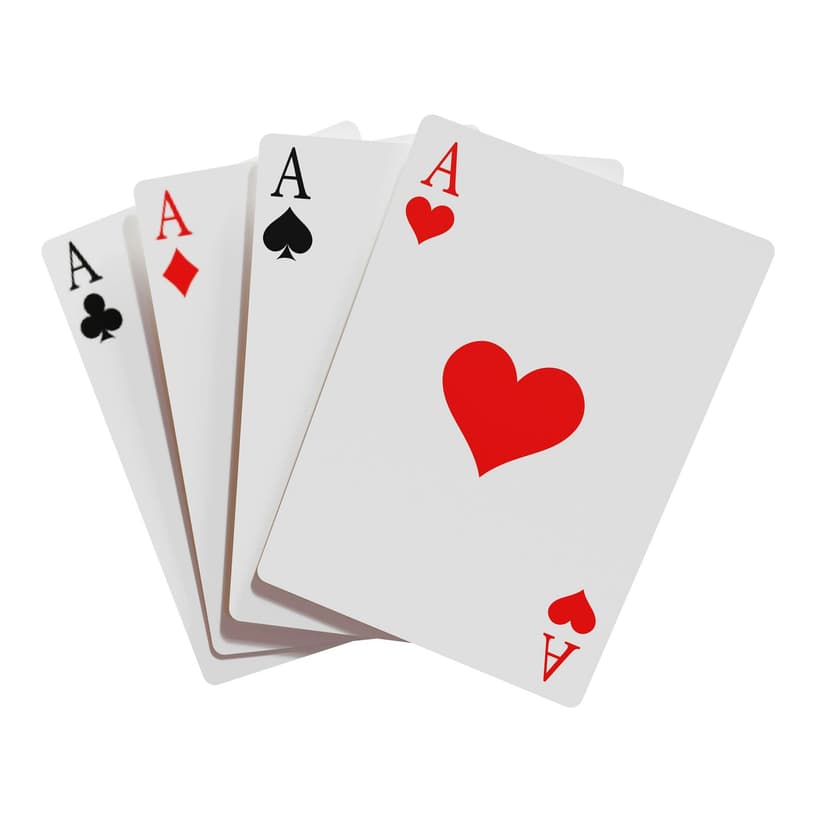
A natural blackjack — often just called "a blackjack" or "a natural" — is a two-card hand totaling exactly 21, made up of an Ace and any 10-value card (a 10, Jack, Queen, or King). It's the strongest possible hand in the game, it can only occur on your first two cards, and it beats every other hand except a dealer's own natural, which results in a push. The name of the entire game comes from this specific hand, which tells you how central it is to how blackjack is scored and paid out.
Why it has to be exactly two cards
The "natural" qualifier exists specifically to distinguish this hand from any other way of reaching a total of 21. If you're dealt a 7 and a 6 (a hard 13) and later hit into a third card, a 6 gives you a 19 or a 21, but that reached-21 hand is not a natural, even though the final total matches. Only a 21 made from your original two-card deal counts, and this distinction matters directly for how the hand pays out.
Why it pays more than a regular win
A natural blackjack traditionally pays 3:2 — a $10 bet returns $15 in winnings, compared to the standard $10 return on a regular 1:1 win. This enhanced payout exists because a natural is both statistically rarer than an ordinary winning hand and impossible to build toward through play the way a regular 21 can be — it either happens on the deal or it doesn't, with no decisions involved. Some tables instead offer a reduced 6:5 payout, which is significantly less favorable to the player over time; the full impact of that difference is covered in blackjack rules explained.
How often a natural actually happens
A natural blackjack occurs, on average, roughly once every 21 hands — a little under 5% of all hands dealt, though the exact frequency shifts slightly depending on the number of decks in play. It's common enough that most players see several in a normal session, but rare enough that the enhanced payout meaningfully rewards the moments it does happen, which is part of why the payout ratio a table offers on this specific hand matters so much to your overall results over time.
What happens when both you and the dealer have a natural
If your two-card hand and the dealer's two-card hand are both naturals, the result is a push — your original bet is returned with no win or loss, exactly as it would be for any other tied total. This is one of the few situations where a natural doesn't result in a win, and it's worth knowing in advance so it doesn't feel like an error when it happens. Full detail on how pushes work generally is in blackjack push explained.
Insurance and even money on a natural
If the dealer's face-up card is an Ace and you're holding a natural yourself, most tables offer "even money" — a choice to lock in a guaranteed 1:1 payout on your natural immediately, rather than waiting to see whether the dealer's hole card also completes a blackjack (which would otherwise turn your win into a push). Taking even money is mathematically identical to taking insurance on your own natural, and like standard insurance, it isn't generally recommended as a default choice for players using basic strategy, since the odds offered don't outperform simply letting the hand play out over the long run. It's your choice in the moment, though, and some players prefer the certainty it offers regardless of the underlying math.
Does a natural ever lose?
A natural blackjack can only lose to another natural, and even then it doesn't technically lose — it pushes. There's no dealer hand that beats a player's natural blackjack outright; a dealer 21 reached with three or more cards still loses to a player's two-card natural, which is a good example of why the "natural" distinction matters so much in practice, not just as a technicality.
Naturals and side bets
Some optional side bets pay out specifically based on your first two cards forming particular combinations, and a natural blackjack can sometimes qualify for both the main-game 3:2 payout and a side bet payout simultaneously, depending on which side bets are offered and how they're structured. These are separate wagers settled independently of your main hand — a natural doesn't automatically trigger every side bet on the table, only ones specifically built around the cards involved. Full detail on how common side bets work is in blackjack side bets explained.
Naturals in split hands
If you split a pair — for example, two Aces — and one of the resulting two-card hands ends up totaling 21 (an Ace plus a 10-value card), most tables do not count this as a natural blackjack for payout purposes, even though the total matches. Because the hand originated from a split rather than the original deal, it's typically paid at the standard 1:1 rate rather than 3:2. This is a rule worth double-checking on unfamiliar tables, since it varies slightly by operator, but the standard convention across most casinos is that only your original, unsplit two-card deal can qualify as a natural.
Naturals in American vs. European formats
The concept of a natural blackjack is identical in both American and European dealing formats — what differs is when the dealer's own potential natural is checked and revealed. In the American format, the dealer's hole card is dealt immediately and checked before players act further; in the European format, the dealer doesn't draw a second card until after all players have finished acting, meaning a dealer natural isn't confirmed until later in the hand. This affects certain strategic decisions around doubling and splitting, covered fully in European vs American blackjack, but it doesn't change the definition or payout of a natural itself.
Frequently asked questions
Does the order of the Ace and 10-value card matter? No — whether you're dealt the Ace first or the 10-value card first, the result is the same natural blackjack with the same payout.
Is a natural blackjack the same as "21" in general conversation? Casually, people often use "21" and "blackjack" interchangeably, but technically a natural blackjack specifically means a two-card 21 dealt from the start. A 21 reached over three or more cards is a strong winning hand, but not a natural, and doesn't receive the enhanced payout.
Can I do anything to increase my chances of getting a natural? No — naturals are purely a function of the random deal, with no player decision involved before the cards are shown. There's no way to influence whether your first two cards form a natural.
What should I do if I'm dealt a natural and the dealer shows an Ace? You'll typically be offered "even money" as described above. Whether to take it is a matter of personal risk preference, though most basic-strategy players decline it and let the hand play out at standard odds.
Do all casinos pay 3:2 on a natural blackjack? No — a meaningful number of tables, particularly at lower stakes, offer a reduced 6:5 payout instead. It's worth checking a table's payout schedule (usually printed directly on the felt or shown in the rules screen) before playing, since this single number has an outsized effect on your expected results over time.