Source of Funds Checks at Online Casinos Explained
When and why casinos ask for proof of where your deposited funds came from, what documents satisfy the request, and how it affects withdrawals.
Published August 11, 2026
The short answer
A source-of-funds check goes a step beyond standard identity and payment verification, asking not just who you are and which payment method you used, but where the money you're depositing or withdrawing actually came from. It's not applied to every player or every transaction — it typically comes up for larger amounts or account activity patterns that a casino's compliance system flags for closer review.
Why casinos ask this question
Source-of-funds checks are part of standard anti-money-laundering compliance across the regulated gambling industry, designed to confirm that money moving through an account has a legitimate origin rather than being an attempt to disguise illicit funds as gambling activity. This isn't specific to any one casino's policy — it's a widely applied compliance practice tied to the licenses operators hold, covered in more general terms in this site's why casinos request documents.
What typically triggers a source-of-funds request
Common triggers include an unusually large single deposit or withdrawal relative to your account's typical activity, a rapid escalation in deposit amounts over a short period, or account activity that otherwise doesn't fit an established pattern. Being asked for this documentation isn't itself an accusation — it reflects a risk-based compliance framework applied consistently to any account that meets a given threshold, not a judgment about you specifically.
What documentation typically satisfies the request
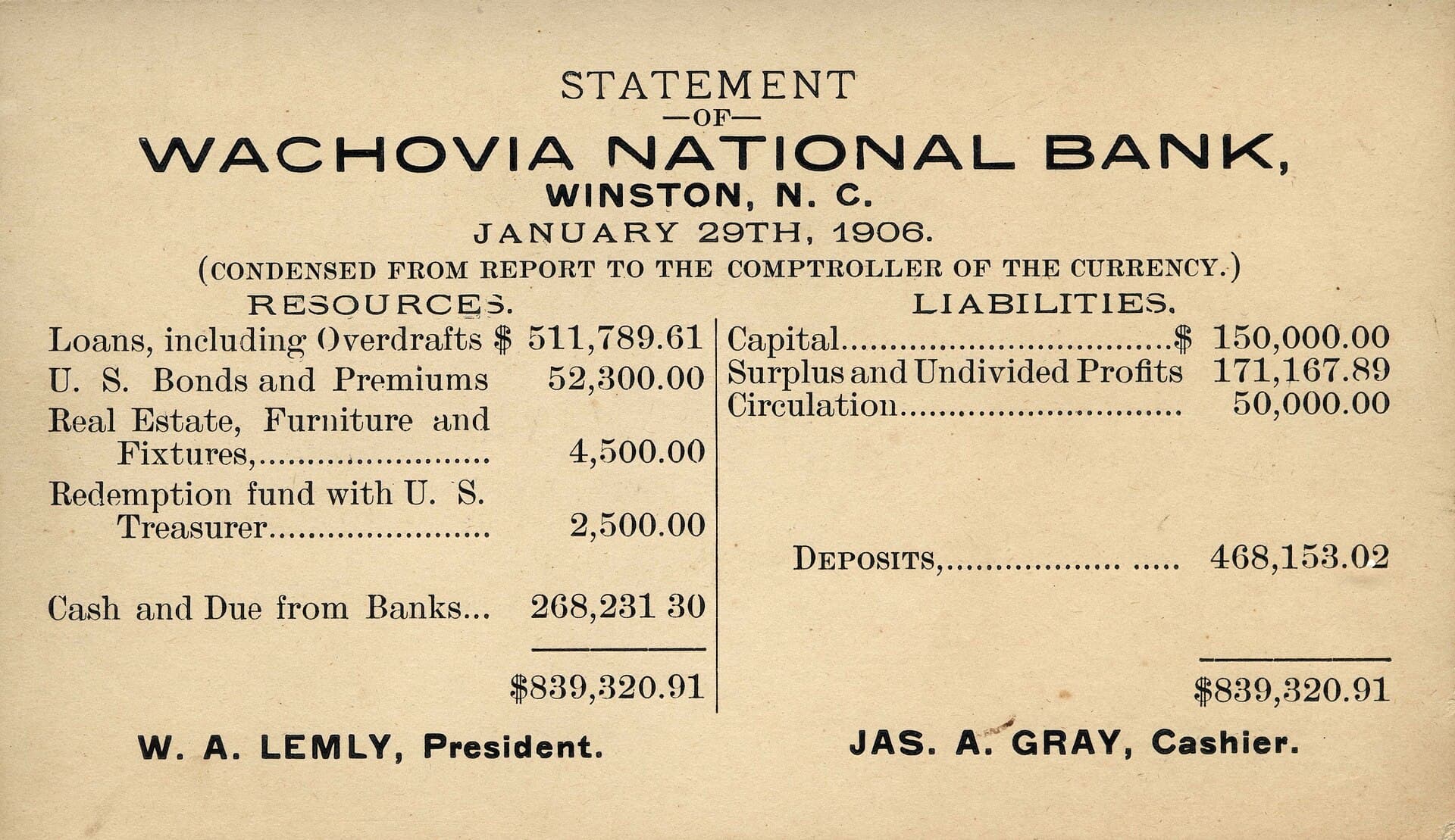
Typical documentation includes recent payslips, a bank statement showing the funds' origin, or, less commonly, documentation of a specific source such as an inheritance, a property or asset sale, or a business income statement. Exact requirements vary by casino and by the specific circumstances triggering the request, so it's worth asking support directly what documentation would satisfy a given request rather than guessing.
Source of funds and cryptocurrency
Source-of-funds checks can look somewhat different for cryptocurrency deposits, since a casino may ask about the origin of the crypto itself — whether it came from a regulated exchange, a personal wallet with a traceable history, or another source — in addition to, or instead of, traditional documents like payslips or bank statements. Some casinos ask for a transaction history export from the exchange or wallet used, which can serve a similar purpose to a bank statement in a fiat context.
How this differs from standard KYC
Standard KYC confirms who you are and where you live. A source-of-funds check goes further, confirming where your money specifically came from — a meaningfully deeper level of scrutiny reserved for higher-risk situations rather than applied to routine, modest transactions. This deeper level is sometimes referred to as enhanced due diligence, covered in the casino KYC & payment verification guide.
How it affects your withdrawal timeline
A withdrawal connected to a flagged deposit or activity pattern generally won't be released until the source-of-funds request is satisfied, which can meaningfully extend the standard withdrawal timeline covered in how long do casino withdrawals take?. Having relevant documentation ready in advance — if you anticipate a deposit or withdrawal large enough to plausibly trigger this kind of check — can meaningfully shorten the wait if it does come up.
Source of funds versus source of wealth
Casinos and financial institutions sometimes distinguish between "source of funds" — where a specific deposit or transaction's money came from — and the broader "source of wealth," which covers how a person has accumulated their overall net worth. Standard casino checks almost always focus on the narrower source-of-funds question tied to a specific transaction, rather than the more extensive source-of-wealth review used in some other financial contexts. Understanding this distinction is useful mainly so you're not caught off guard expecting a much more invasive process than what's typically actually requested.
How to respond if you're asked and unsure what qualifies
If a casino requests source-of-funds documentation and you're unsure whether a specific document will satisfy it, asking support directly what would be acceptable — rather than guessing and potentially submitting something that gets rejected — is the most efficient path. Casinos handling this request regularly generally have a clear internal list of acceptable document types for common situations like employment income, savings, or a specific windfall, even if that list isn't published publicly.
Frequently asked questions
Does everyone who deposits at a casino get asked for source of funds? No — it typically applies only to larger amounts or flagged activity patterns, not routine, modest transactions.
Does a source-of-funds request mean I'm suspected of wrongdoing? Not specifically — it reflects a risk-based compliance framework applied to any account meeting a given threshold, not a targeted accusation.
What documents usually satisfy a source-of-funds request? Recent payslips, bank statements showing the funds' origin, or documentation of a specific source like an inheritance or asset sale, depending on your situation.
How long does a source-of-funds review typically take? It varies, and can take longer than standard identity verification given the additional documentation and review involved — it's worth asking the casino directly about a specific case.
Can I prepare for this in advance? Yes — if you anticipate an unusually large deposit or withdrawal, having relevant documentation ready can shorten the process if a source-of-funds request does come up.