Two-Factor Authentication at Online Casinos
How 2FA actually works to protect your casino account login, the different methods casinos use, and how it differs from identity verification.
Published August 29, 2026
What 2FA protects against, specifically
Two-factor authentication (2FA) requires a second, independent piece of verification beyond your password alone before granting account access. It exists to protect against one specific, common risk: a compromised password. Passwords get exposed constantly, through data breaches at unrelated services (particularly when a player reuses the same password across multiple sites), phishing attempts, or simple guessing of weak passwords, and none of those exposure methods require an attacker to have anything beyond the password itself. 2FA closes that gap by requiring something the legitimate account holder has access to beyond just knowledge of the password — meaning a stolen or guessed password alone is no longer sufficient to log in.
It's worth distinguishing this clearly from a related but separate system: identity verification (KYC), covered in the KYC verification guide, which confirms who you are through identity documents, typically before your first withdrawal. 2FA is about confirming that whoever is currently logging in genuinely is the account's legitimate owner, on an ongoing basis, every time a login (or sometimes a sensitive action like a withdrawal) occurs — a different question from KYC's one-time identity confirmation.
The "factors" in two-factor authentication
Security systems generally categorize authentication methods into three types: something you know (a password or PIN), something you have (a phone, a hardware key, an authenticator app), and something you are (a fingerprint or facial biometric). A password alone is a single factor — something you know. True 2FA combines your password with a second factor from a different category, typically something you have, since requiring two different passwords wouldn't meaningfully improve security if both could be exposed through the exact same kind of breach or phishing attempt.
Common 2FA methods at online casinos
SMS-based codes send a one-time numeric code to your registered phone number, which you enter alongside your password to complete login. This is the most widely implemented method because it requires no additional app or hardware, though it's also considered the weakest of the common methods, since it's vulnerable to a specific attack called SIM-swapping, where an attacker convinces a mobile carrier to transfer your phone number to a device they control.
Authenticator apps (such as standard TOTP-based apps) generate a new numeric code every 30 seconds or so, synchronized between the app on your device and the casino's own servers through a shared secret established when you first set up 2FA. This method doesn't depend on your mobile carrier at all, making it immune to SIM-swapping specifically, and is generally considered stronger than SMS for that reason.
Email-based codes work similarly to SMS but send the one-time code to your registered email address instead. This method's security is only as strong as your email account's own security, since anyone who has compromised your email could also intercept these codes — worth keeping in mind if you use email-based 2FA as your only second factor.
Hardware security keys are small physical devices you plug in or tap to confirm login, offering the strongest protection among common methods since they can't be phished or intercepted remotely the way a code sent over SMS or email theoretically could be, though they're the least commonly offered option at casinos specifically, more common in banking and enterprise contexts.
Where 2FA typically gets applied within a casino account
Casinos implementing 2FA don't always require it at every single interaction. Common implementation patterns include requiring it at every login, requiring it only for logins from a new or unrecognized device, and requiring it specifically for sensitive actions like changing withdrawal details, updating your password, or processing a withdrawal itself, even if your regular login doesn't otherwise prompt for it. This last pattern — an extra verification step specifically before money moves out of your account — is a particularly meaningful protection, since it directly targets the scenario that matters most: someone else accessing your account and attempting to redirect your funds.
Why 2FA matters more, not less, at a gambling account specifically
A compromised casino account carries a somewhat different risk profile than many other compromised online accounts, because it's directly connected to real money and often to stored or linked payment methods. An attacker gaining access to a casino account isn't just reading your private information; they may be able to attempt withdrawals to accounts they control, exploit stored payment methods, or exhaust an active bonus balance before you notice. This is part of why enabling 2FA, wherever a casino offers it, is a genuinely worthwhile step even for players who don't bother with it on lower-stakes accounts elsewhere.
Biometric authentication as a device-level second factor
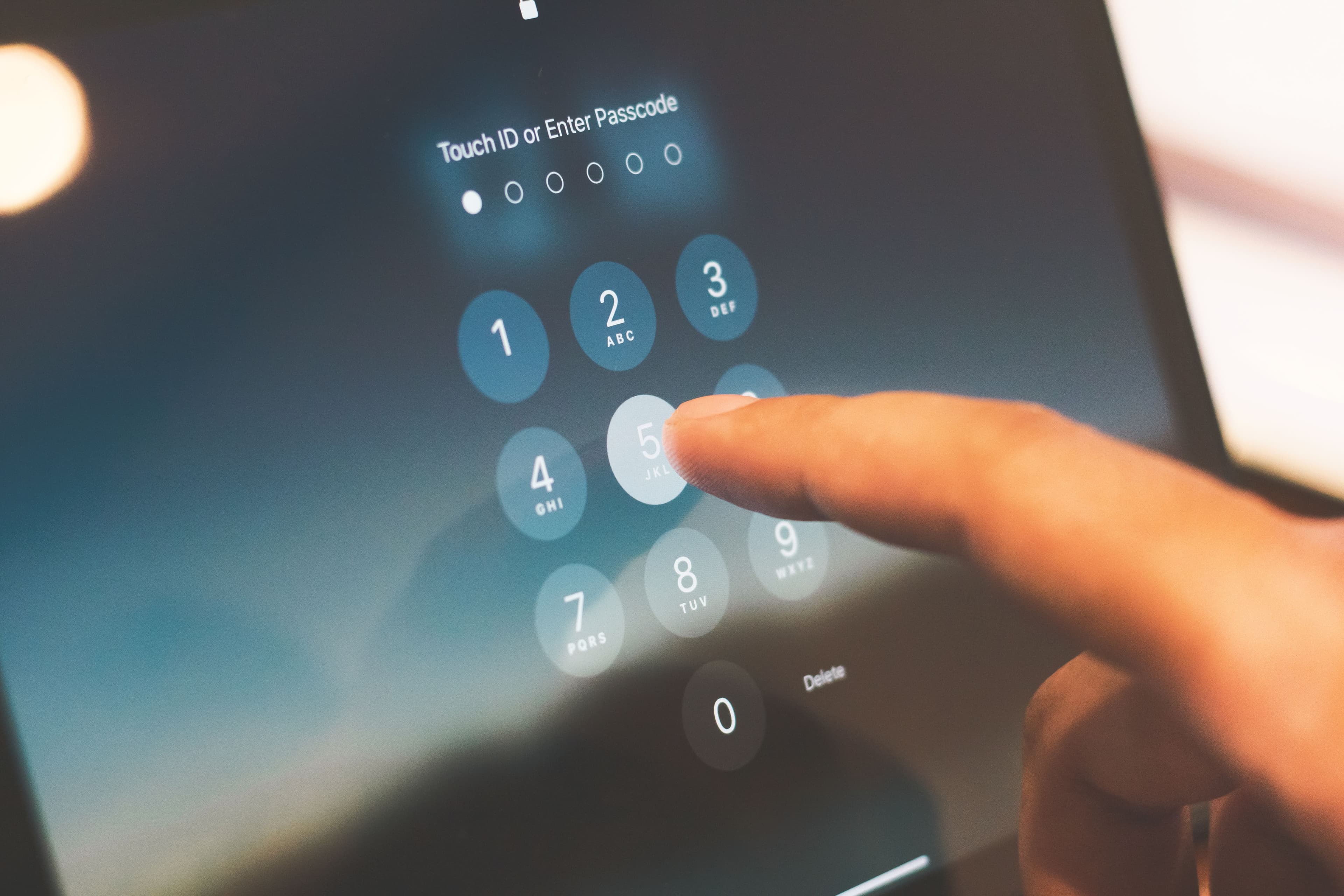
On modern smartphones specifically, biometric authentication — fingerprint or facial recognition — offers a further 2FA method, generally handled through the device's own operating-system-level secure hardware rather than something the casino platform itself directly manages. When you log in using your fingerprint through a casino's mobile app, the app typically isn't receiving or storing your actual biometric data at all; it's asking the device's own secure system to confirm your identity locally, then receiving a simple confirmed-or-denied response back. This is a meaningfully different, generally more secure architecture than transmitting a code over SMS or email, since your actual biometric data never leaves your device or reaches the casino's servers in the first place — only a confirmation signal does.
Risk-based (adaptive) authentication
Some more sophisticated platforms use risk-based authentication, sometimes called adaptive authentication, which doesn't apply the same fixed 2FA requirement uniformly to every single login. Instead, the system evaluates contextual signals — is this a recognized device, is the login coming from a typical location for this account, is the timing consistent with the player's usual pattern — and only prompts for a second authentication factor when something about the specific login looks meaningfully different from the account's established pattern. A login from a familiar device and location might proceed without an additional prompt, while a login attempt from an unrecognized device or unusual location triggers a mandatory 2FA challenge. This approach aims to balance security against convenience, adding friction specifically when the actual risk signals genuinely warrant it rather than on every single login uniformly regardless of context.
Setting it up and what to do if you lose access to your second factor
Setting up 2FA typically happens through your account security settings, usually involving scanning a QR code with an authenticator app or confirming a phone number for SMS-based codes. It's worth deliberately saving the backup codes most systems provide during setup — a set of one-time-use codes specifically meant for the scenario where you lose access to your primary second factor (a lost phone, for instance), since without them you may need to go through a more involved account-recovery process with customer support, which itself typically requires additional identity verification to prevent an attacker from simply requesting a 2FA reset on your behalf.
How 2FA fits alongside the platform's other security layers
It's useful to see where 2FA specifically sits relative to the other protections covered elsewhere in this cluster, since it's easy to assume any one security feature does more than it actually does on its own. TLS encryption, covered in Online Casino Encryption Explained, protects data as it travels between your device and the casino's servers, but does nothing to stop someone who has simply obtained your correct password from logging in. 2FA specifically addresses that exact gap. Geolocation, covered in How Casino Geolocation Works, confirms your physical location but doesn't verify that you're genuinely the account's legitimate owner at all. Fraud detection, covered in How Casino Fraud Detection Works, looks for suspicious behavioral patterns after the fact, whereas 2FA works preventatively, at the exact moment of login, before any suspicious behavior would even have a chance to occur. None of these systems substitutes for another; each closes a specific, different gap in the overall account-security picture, which is exactly why a well-secured casino account benefits from having all of them properly enabled and functioning together rather than treating any single layer as sufficient on its own.
Frequently asked questions
Is 2FA the same thing as the identity verification a casino requires before my first withdrawal? No — identity verification (KYC) confirms who you are, typically once, using government-issued documents. 2FA confirms that the person currently logging in is the legitimate account holder, checked repeatedly over time, using a password plus a second factor. They serve different, complementary purposes.
Which 2FA method should I choose if a casino offers more than one option? An authenticator app is generally a stronger choice than SMS specifically because it isn't vulnerable to SIM-swapping, though any 2FA method is a meaningful improvement over a password alone, so use whichever option the casino supports and you'll actually use consistently.
Does enabling 2FA slow down how quickly I can log in and play? It adds a brief additional step, typically a few seconds, at login or at specific sensitive actions — a small, worthwhile tradeoff against the meaningfully reduced risk of unauthorized account access.
What happens if I lose my phone and can't receive my 2FA code? Most platforms provide backup codes at setup specifically for this scenario, and if those aren't available, customer support can typically help you regain access, though usually only after additional identity verification to confirm you're genuinely the account owner rather than an attacker attempting to bypass 2FA.
Can a casino force me to use 2FA? Some operators, particularly in more strictly regulated markets, require 2FA as a mandatory account-security feature rather than an optional one; others offer it as an optional setting you can choose to enable yourself, so requirements do vary by operator and jurisdiction.