Online Keno vs Live Keno: Which Format Should You Play?
A direct comparison of instant online keno and live keno — pace, atmosphere, fairness verification, and which suits which kind of player.
Published August 13, 2026
The short version
Instant (online/RNG) keno and live keno run on the same underlying game — an 80-number field, a 20-number draw, and a fixed paytable — but differ in pace and presentation. Instant keno resolves in seconds, on your own schedule; live keno runs on a shared, scheduled draw with a live or physical presentation. Neither format changes your odds. This guide compares them directly; for the mechanics of each individually, see Instant Keno Explained and Live Keno Explained
Side-by-side comparison
| Instant (online) keno | Live keno | |
|---|---|---|
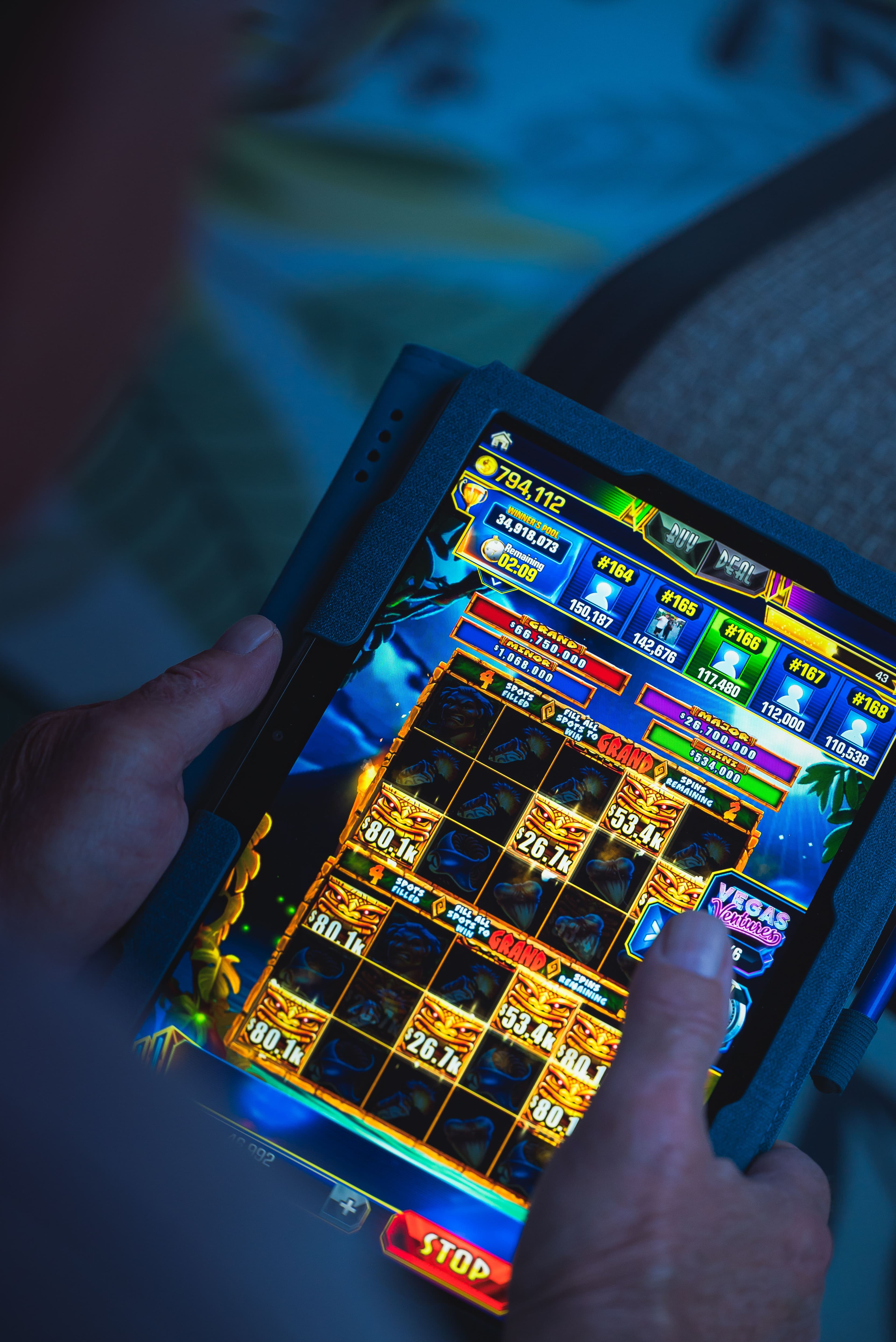
| Pace | Resolves in seconds, on demand | Runs on a scheduled draw, often every few minutes |
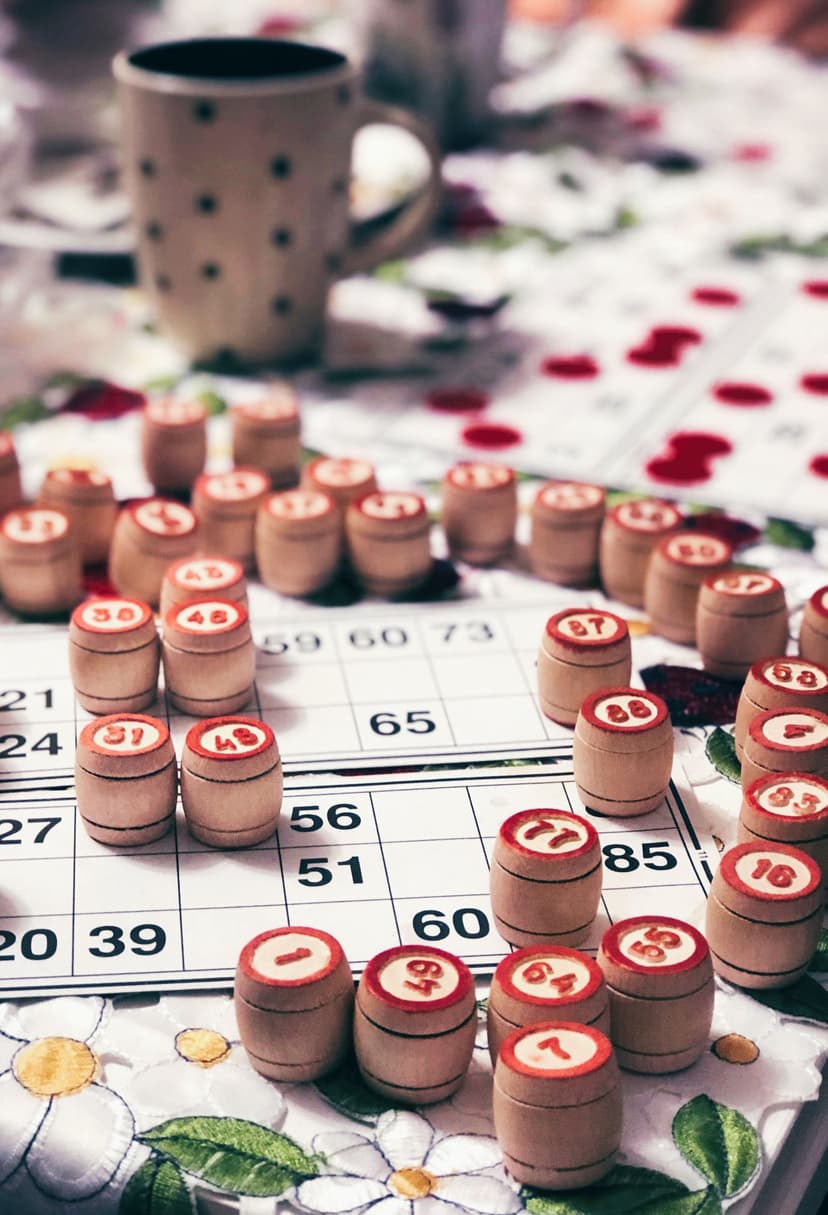
| Draw presentation | RNG animation | Live stream, host, or physical ball machine |
| Social element | Solo, private draw | Shared draw with other players entered simultaneously |
| Fairness verification | Certified RNG software, independently audited | Directly observable draw |
| Availability | Standard in nearly every online casino keno lobby | Less universally available, requires live infrastructure |
| Underlying odds and payout math | Identical | Identical |
Pace: play on demand vs. play on a schedule
The clearest practical difference is speed. Instant keno lets you complete as many rounds as you want, back to back, without waiting — useful if you're managing a specific number of rounds or simply prefer a faster pace. Live keno runs on a fixed schedule, which means a genuine wait between submitting a ticket and seeing it resolve, but that same structure is what creates its shared, casino-floor atmosphere.
Neither pace is "better" — it's a question of what kind of session you're looking for. If you're specifically trying to budget a session by number of rounds within a time limit, instant keno's speed makes that easier to control. If part of the appeal is the ritual and atmosphere of a shared draw, live keno's pacing is part of the experience, not a downside.
Fairness: certified RNG vs. an observable draw
Instant keno's fairness rests entirely on certified RNG software — independently tested and audited, but not something you can watch happen. Live keno's draw is directly observable, whether that's a livestream of a physical ball machine or a hosted presentation, which appeals to players who specifically want to see the process rather than trust an unseen algorithm. Both are legitimate, verifiable approaches to fairness at a properly licensed operator — the difference is really about what kind of verification you personally find more reassuring, not which one is actually more trustworthy. Our casino safety guides cover what to check regardless of format.
Do the odds actually differ?
No. This is worth stating plainly since it's easy to assume a "live," more tangible draw somehow behaves differently from an RNG one — it doesn't. Both formats draw 20 numbers from the same 80-number field with the same underlying randomness, and both resolve against a fixed paytable specific to that game. Keno Odds Explained and Keno RTP Explained apply identically to both formats — what actually varies is the specific game's paytable, not whether it's live or instant.
Availability
Instant keno is close to universal across online casinos that offer keno at all — it requires no special infrastructure beyond the game itself. Live keno is less consistently available, since it depends on either a live-streaming setup or a scheduled physical draw, which not every operator supports. If live keno specifically appeals to you, it's worth checking a casino's live game lobby directly rather than assuming it's offered alongside instant keno by default.
A closer look at the fairness question
It's worth expanding on the fairness comparison, since it's the aspect players ask about most. Instant keno's fairness case rests on independent RNG certification — a testing lab audits the software, confirms statistical randomness, and verifies the game's actual behavior matches its disclosed RTP over a very large sample of simulated rounds, all before and periodically after the game goes live. Live keno's fairness case rests on the draw being directly observable — you (or a regulator's audit process) can watch the actual physical or streamed event happen. Neither is inherently more rigorous than the other in a properly regulated environment; they're simply different, equally valid ways of satisfying the same underlying requirement that a casino game's outcomes are genuinely random and not manipulated. What actually matters more than the format itself is whether the specific operator holds real licensing and whether the specific game carries genuine certification — checking those two things matters regardless of which format you're playing. Our casino safety guides cover exactly how to verify both.
Cost and stake range differences
Neither format is inherently cheaper or more expensive to play — minimum and maximum stakes are set per individual game rather than tied to whether it's instant or live. That said, live keno's infrastructure (staffing a host, running a physical draw, or maintaining a live-stream production) sometimes correlates with it being offered at a narrower range of casinos, or bundled into a "live casino" section with its own separate stake conventions compared to a standard instant keno lobby. This is a practical availability point more than a rule, so always check a specific game's stake range directly rather than assuming based on format.
Which one should you choose?
- Choose instant keno if: you want to play at your own pace, get through more rounds in a given session, or simply prefer speed and convenience.
- Choose live keno if: you want a shared, social atmosphere, prefer watching an observable draw over trusting an RNG, or enjoy a slower, more deliberate pace.
- Either way: your pick count, bet type, and the specific game's paytable matter far more to your actual odds and expected value than which format you choose. See our Keno Strategy Guide for how to approach both.
Frequently asked questions
Can I switch between instant and live keno within the same session? Yes, at any casino offering both — they're typically separate games in the lobby, and there's nothing stopping you from playing either or both in the same session.
Is live keno more trustworthy than instant keno? Not inherently — both rely on verifiable fairness mechanisms (certified RNG for instant, an observable draw for live) at a properly licensed operator. Neither format is more or less fair by default; what matters is the operator's licensing and the game's certification.
Does live keno cost more to play than instant keno? Not by format alone — minimum and maximum stakes are set per game, not per format, so you'll find both cheap and expensive options within instant and live keno alike.
Which format has better odds? Neither — format doesn't affect odds. The specific game's paytable and pick count are what determine your actual odds and potential payout, regardless of whether it's instant or live.
Is one format more beginner-friendly than the other? Instant keno is generally easier to learn on, simply because you can play many rounds quickly and see the mechanics repeat without waiting, which helps newer players get a feel for the game faster. Live keno is equally easy to understand mechanically, but its slower pace means fewer rounds of hands-on repetition in the same amount of time.
Do bonuses and promotions apply differently to each format? This depends entirely on the specific casino's promotional terms, not on the format itself — some bonuses exclude live games generally (not specific to keno), so it's worth checking a bonus's game-eligibility terms rather than assuming both formats are treated identically.
Can I switch formats mid-session without penalty? Yes — there's no cost or restriction to moving between instant and live keno within a session, beyond the practical difference in pacing. Your bankroll and any session limits you've set carry over regardless of which format you're playing.
Is one format more common in land-based casinos than online? Traditionally, land-based casinos have favored live/lounge-style keno with a physical draw, while online casinos default to instant keno as the more practical format for a digital platform. Live keno online is a more recent addition, essentially recreating that land-based, shared-draw experience digitally.
Which format is easier to play on a mobile device? Both work reasonably well on mobile, though instant keno's simpler, self-paced interface tends to translate slightly more cleanly to a small screen than live keno's streamed or scheduled presentation, which can be more bandwidth- and attention-intensive on a mobile connection.