Behind the Scenes of a Live Casino Studio
What actually happens inside a live casino broadcast studio — the people, the shifts, the set design, and how dozens of tables run simultaneously around the clock.
Published July 30, 2026
A broadcast facility, not a casino floor
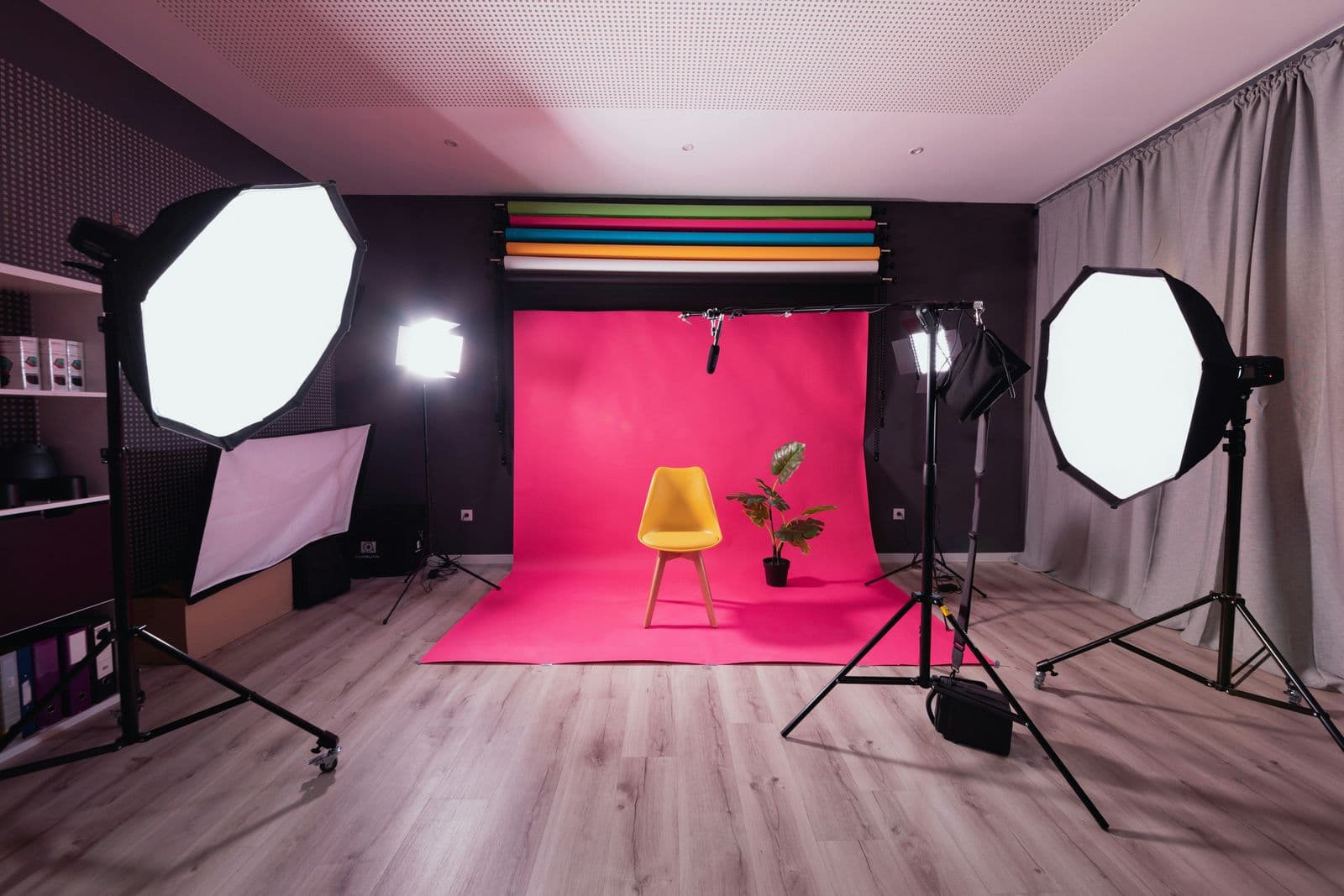
A live casino studio looks and operates far more like a television production facility than a traditional casino — purpose-built rooms with controlled lighting, multiple camera rigs, sound treatment, and a central production and technical hub coordinating everything happening across the building. Studios are typically operated by specialist software providers who supply live tables to many different casino brands, rather than being run directly by any single casino operator. This guide looks at what actually happens inside one. For the technology that supports all of this, see live casino technology explained.
Studio layout and table design
A typical studio houses dozens of individual table setups, each dedicated to a specific game and often built with that game's visual requirements in mind — a roulette-specific table designed for clear wheel visibility from multiple angles, a blackjack table designed for a clean, well-lit dealing surface, and larger, more elaborate sets for game show formats, often occupying considerably more physical space to accommodate their bigger wheels, display boards, and more dynamic camera choreography. Table design isn't purely aesthetic — lighting, background color, and surface material are all chosen specifically to work well with the camera and recognition technology covered in live casino camera technology explained.
The dealers: training and shifts
Live dealers are trained staff, and studios run structured onboarding covering game procedure, camera awareness (learning to work naturally in front of multiple cameras rather than a single in-person audience), pacing, and customer-facing presentation skills, since a dealer is simultaneously running a real game and performing for a live broadcast audience. Given that many studios operate close to around the clock to serve players across different time zones, dealers typically work in structured shifts, similar to any other broadcast production staff, rotating across different tables and sometimes different game types depending on their specific training and the studio's scheduling needs.
Pit bosses and floor supervisors
Beyond individual dealers, studios employ supervisory staff — often called pit bosses or floor supervisors, carrying over the terminology from land-based casinos — who oversee multiple tables at once, handle procedural questions or disputes, and ensure dealers are following correct game procedure consistently. This supervisory layer exists in live studios for largely the same reasons it exists on a physical casino floor: maintaining consistent standards across many simultaneous tables and providing an escalation point when something needs attention beyond what an individual dealer handles alone.
Production and technical staff
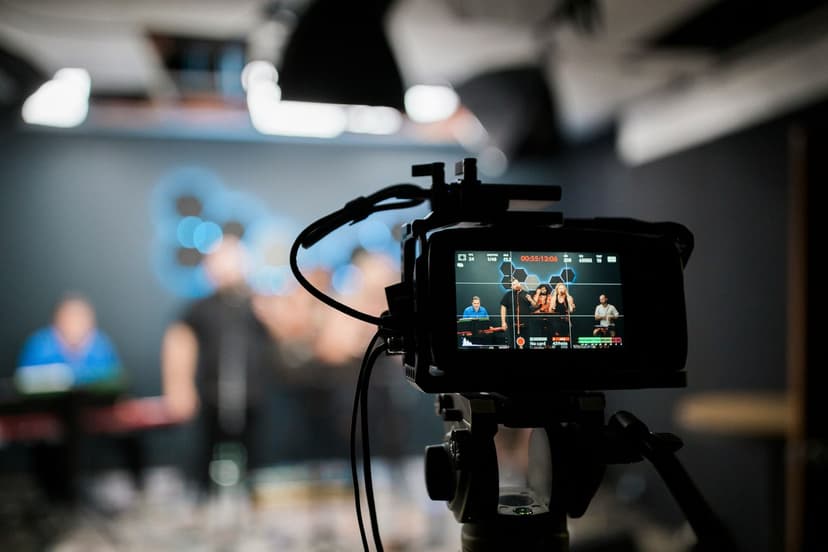
Running dozens of simultaneous camera feeds, recognition systems, and streams requires a substantial technical production team working alongside the dealers — camera operators or automated switching systems, audio technicians, and technical staff monitoring stream quality and system health across every active table in real time. This side of studio operations is largely invisible to players but is what actually keeps the broadcast running smoothly, covered in the production-and-switching layer discussed in live casino technology explained.
Quality control and monitoring
Studios maintain continuous quality monitoring — technical staff watching for stream issues, recognition errors, or any deviation from correct game procedure across active tables — since a problem on any single table needs to be caught and addressed quickly given real money is riding on outcomes in real time. This monitoring layer is part of why technical faults, when they do occur, tend to be caught and resolved (often through voiding an affected round) quickly rather than persisting undetected.
Equipment maintenance
Physical equipment — cards, dice, roulette wheels — undergoes more frequent maintenance and replacement in a studio environment than typical land-based casino equipment, given how much the recognition technology depends on that equipment behaving perfectly consistently. Cards are commonly replaced far more frequently than at a physical casino table, and roulette wheels undergo regular calibration checks to confirm they remain properly balanced, since even a very slight physical bias could, in principle, be detected and exploited if left unaddressed over enough spins.
Security within the studio
Studios maintain strict access controls over who can be physically present during active broadcasts, separate from the digital security and fairness measures covered in live casino security explained. This typically includes restricted staff access to active table areas, monitored entry points, and clear protocols around equipment handling — all designed to ensure that no one without a legitimate operational role can influence what happens at a live table during a broadcast.
Running multiple casino brands from one studio
Because a single studio provider commonly supplies live tables to many different casino brands simultaneously, studios need to manage branding and presentation carefully — the same underlying table and dealer might appear under different visual branding depending on which casino's players are viewing that specific stream, achieved through overlay graphics and interface branding applied at the platform level rather than requiring physically separate tables for every casino brand a provider serves.
What a typical shift looks like for a dealer
A dealer's shift generally involves working a rotation across one or more assigned tables for a set period, following consistent game procedure for potentially hundreds of hands or spins over the course of the shift, while managing player interaction through chat and maintaining the pacing and presentation standards they were trained on. Breaks and table rotations are built into typical shift structures, similar to any customer-facing role requiring sustained attention and consistent performance over an extended period.
Frequently asked questions
Do live casino studios operate 24 hours a day? Many do, particularly larger studios serving players across multiple time zones and regions, though staffing levels and table availability can vary by time of day based on typical player demand patterns.
How often is studio equipment replaced or checked? More frequently than land-based casino equipment generally — cards are commonly replaced on a considerably shorter cycle, and wheels undergo regular calibration checks, given how precisely the recognition technology depends on consistent physical equipment.
Can players visit a live casino studio in person? Generally no — studios are working broadcast facilities with strict access controls, not public venues, and are not open to player visits the way a land-based casino floor would be.
Do dealers work for the casino brand or the studio provider? Typically the studio provider, since live tables are usually operated by a specialist software provider supplying tables to multiple different casino brands, rather than being direct employees of any single casino you might be playing at.
How does a studio keep different casino brands' tables looking distinct? Through interface branding and overlay graphics applied at the platform level — the same underlying table and dealer can appear with different visual branding depending on which casino's platform a player is viewing the stream through.