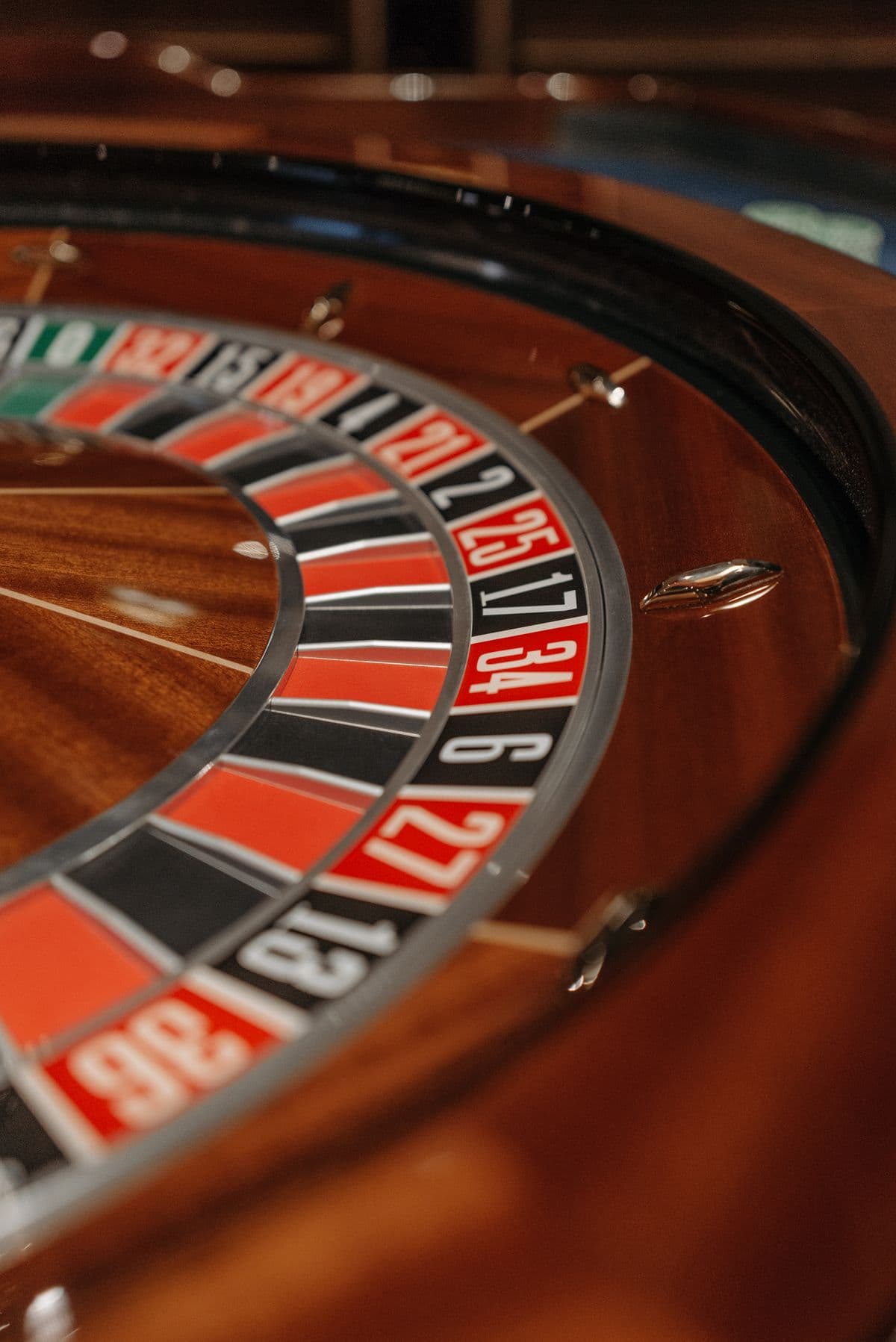
European vs American Roulette
Why the extra 00 pocket on American roulette roughly doubles the house edge compared to European roulette.
Published July 20, 2026
The one difference that matters most
European roulette wheels have 37 pockets (1–36 plus a single 0). American roulette wheels have 38 pockets (1–36 plus 0 and 00). That single extra pocket is the entire difference — and it has an outsized effect on the house edge.
The house edge, side by side
- European roulette: house edge of 2.70%.
- American roulette: house edge of 5.26% — almost exactly double.
The reason is straightforward: payouts for every bet stay the same on both wheels (a straight-up number still pays 35:1), but the American wheel has one more losing pocket for every bet to lose against, without any corresponding increase in payout.
Other differences
The two wheels also arrange their numbers differently around the rim, and American tables sometimes offer a "top line" or "basket" bet covering 0, 00, 1, 2, and 3 — a five-number bet unique to the American wheel with an even worse house edge (7.89%) than the rest of the table.
The practical takeaway
Whenever both versions are available at the same casino, European roulette is simply the better bet — same gameplay, same payouts, meaningfully better odds. Look for tables labeled "European" or "French" roulette, and check for en prison or la partage rules for an even lower house edge on even-money bets.
Why the wheel layouts differ, not just the pocket count
Beyond the extra 00 pocket, European and American wheels also arrange their numbers in a different order around the rim — the sequence isn't simply "American wheel plus one extra slot." This matters specifically for call bets and neighbor bets (like Voisins du Zéro), which are based on which numbers physically sit next to each other on the wheel — a bet built around the European number order doesn't translate directly to an American wheel's layout.
Doing the house-edge math
The house edge calculation comes down to comparing true odds to payout odds. On a European wheel (37 pockets), a straight-up bet's true odds of losing are 36-to-1, but it pays 35:1 — a small, consistent gap that produces the 2.70% edge. On an American wheel (38 pockets), that same bet's true odds of losing stretch to 37-to-1, while the payout stays at 35:1 — a bigger gap, producing the 5.26% edge. The payout never adjusts to compensate for the extra pocket, which is exactly why the American wheel is worse value across every standard bet.
The American "top line" bet specifically
Beyond the general 5.26% house edge shared by most bets on an American wheel, the five-number "top line" or "basket" bet (covering 0, 00, 1, 2, and 3 in a single wager) carries an even higher house edge of about 7.89%. This exists only on American-format tables, since it requires the 00 pocket, and it's worth avoiding specifically even when you have no other choice but to play an American wheel.
How to tell which wheel you're playing
Most online lobbies label tables clearly — "European Roulette," "American Roulette," or sometimes just "Roulette" with the wheel type shown once you open the table. If it isn't obvious from the lobby thumbnail, the table's rules screen (accessible via an "i" icon near the controls) always states the pocket count and house edge directly. It's worth checking this before every new table rather than assuming based on the operator or the table's visual style, since some casinos offer both formats side by side under similar-looking table names.
Why this comparison matters more than most roulette decisions
Among all the choices a roulette player makes — which bet type, which table, which betting pattern — choosing European over American is the single decision with the clearest, largest, and most consistently provable impact on expected outcome. Bet type choice is mostly about variance, not value, as covered in inside vs outside bets explained. Betting systems don't change the house edge at all, as covered in the strategy guide. But swapping an American wheel for a European one, with otherwise identical play, cuts your expected loss rate roughly in half — a genuinely meaningful, guaranteed improvement available to any player willing to spend a few seconds checking a table's wheel type.
French roulette as the next step up
Once you've settled on a European wheel, the next available upgrade is a French-format table offering en prison or la partage — special rules that cut the house edge on even-money bets even further, down to roughly 1.35%. Not every European table offers these rules by default, so it's worth checking specifically, covered in full in roulette rules explained and french roulette explained.
A summary table
| European | American | |
|---|---|---|
| Pockets | 37 | 38 |
| House edge | 2.70% | 5.26% |
| Top-line bet available | No | Yes (7.89% edge) |
| Typical availability online | Widespread | Widespread, especially US-facing sites |
Frequently asked questions
Is French roulette the same as European roulette? They share the same single-zero wheel, but "French roulette" tables more often include additional rules like la partage or en prison — see roulette rules explained for how those work.
Why do American casinos still offer the worse-odds wheel? American-style double-zero wheels are a long-standing casino industry standard in the US and several other markets; many operators do also offer European wheels alongside them, especially online, so it's worth checking what's available rather than assuming only one type exists at a given casino.
Does the house edge difference actually matter over a single session? Over a short session, variance can outweigh the difference between 2.70% and 5.26% in either direction — but over any extended amount of play, the lower house edge of European roulette adds up to a meaningfully better long-run outcome.
How can I quickly check which wheel type a table uses? Check the table's rules screen (usually an "i" icon near the controls), which states the pocket count and house edge directly — don't assume based on the operator or table name alone.
Is there any situation where American roulette is the better choice? Not on odds alone — the only practical reason to choose American roulette is if a European table simply isn't available at a given moment, or if a specific American-only bet or presentation style is what you're specifically looking for.