Lucky Ladies Blackjack Side Bet Explained
How the Lucky Ladies side bet pays on a first-two-card total of 20, its escalating bonus tiers, and why the Queen of Hearts pairing is the top prize.
Published July 29, 2026
How Lucky Ladies works
Lucky Ladies is a side bet that pays out based on your first two dealt cards totaling 20, with an escalating series of bonus tiers depending on exactly how that 20 is made up. It's placed alongside your main wager before the hand begins and settles the moment your first two cards are revealed. It's one of the more dramatically tiered blackjack side bets available, with a wide gap between its common, modest base payout and its rare, large top-tier jackpot. For the broader landscape of blackjack side bets, see blackjack side bets explained.
The payout tiers
Lucky Ladies typically uses a tiered structure along these lines, from most common (lowest payout) to rarest (highest payout):
- Any 20 — your first two cards total 20 in any combination (a 10 and a Queen, a King and a King, and so on). The base qualifying tier, commonly paying around 4:1 to 9:1 depending on the specific table.
- Suited 20 — your two cards total 20 and share the same suit. Rarer than an unsuited 20, paying a higher rate, commonly around 10:1 to 25:1.
- Matched 20 — your two cards are identical in rank and suit (for example, two Queens of Hearts, only possible in a multi-deck shoe), commonly paying 25:1 to 50:1 or more.
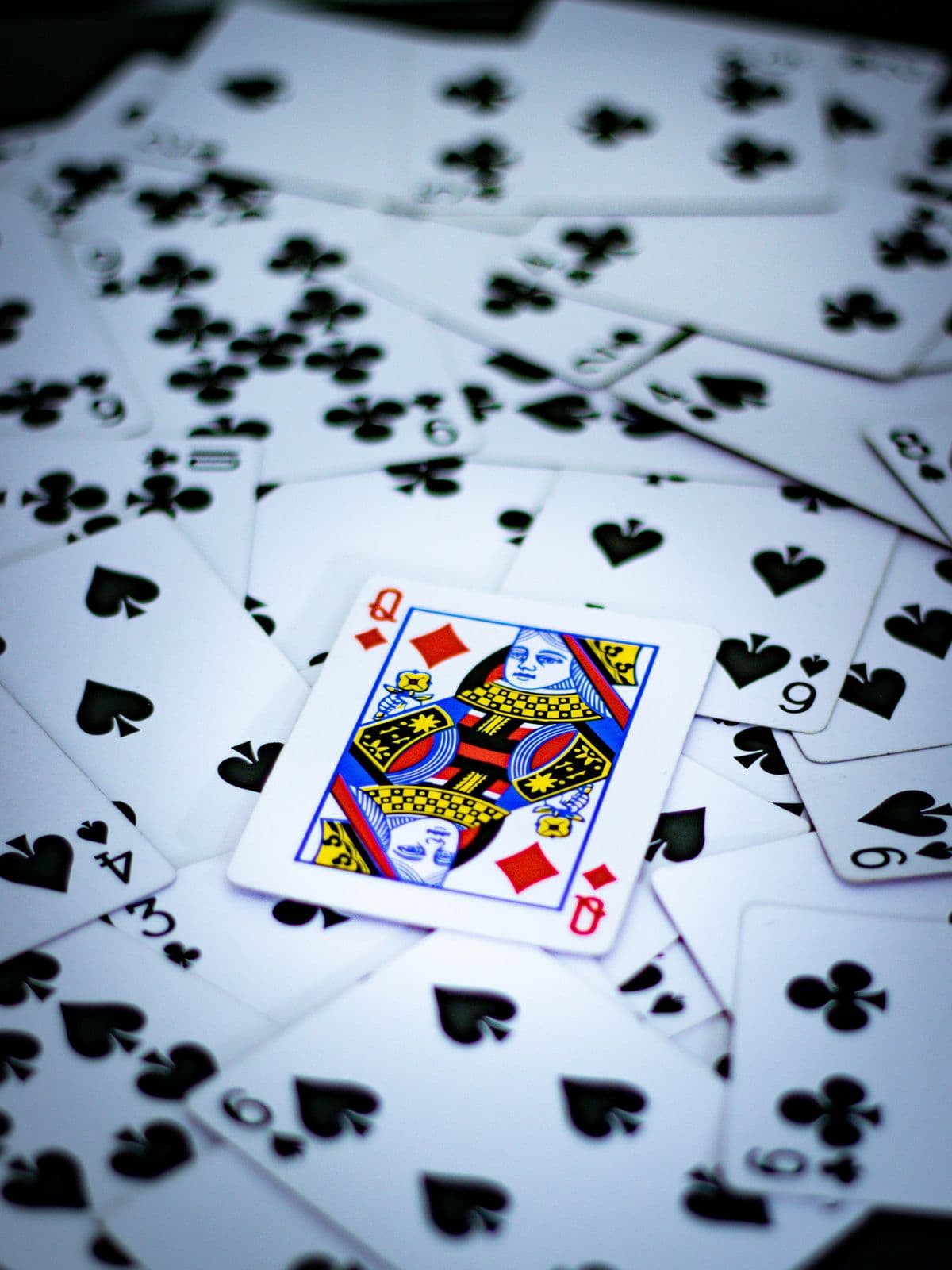
- Queen of Hearts pair — specifically two Queens of Hearts, the bet's namesake top prize, often paying a large fixed multiple (commonly cited around 100:1 to 200:1) or, on some tables, tied to a progressive jackpot pool that grows until it's won.
Exact figures and the precise number of tiers vary meaningfully by operator, so checking a specific table's posted paytable is essential — Lucky Ladies has one of the widest ranges of house edge across different tables of any commonly offered side bet, precisely because its tiered structure allows for a lot of variation in how generous or restrictive each level is.
Why the Queen of Hearts specifically?
The bet's name and top prize both center on the Queen of Hearts, tying into a long-running informal casino tradition of the Queen of Hearts being considered a particularly lucky or storied card in various card game folklore. From a pure probability standpoint, a Queen of Hearts pairing isn't meaningfully rarer than any other specific matched-card pairing (two Queens of Spades would be equally rare, for instance) — the Queen of Hearts is simply the specific card the bet's designers chose to build the top tier around, similarly to how a jackpot slot might arbitrarily designate one specific symbol as its top prize trigger.
The probability behind each tier
Being dealt any two-card combination totaling 20 is a meaningfully common event in blackjack generally, given how frequent 10-value cards are in the deck (roughly 30.8% of all cards). Within that broader "any 20" category, a suited 20 is considerably rarer, since it requires both cards to share a suit in addition to summing to 20. A matched 20 (identical rank and suit) is rarer still, following the same logic covered in Perfect Pairs blackjack side bet explained for why exact suit-and-rank matches are the rarest tier in any pair-based side bet. The specific Queen of Hearts pairing is simply one particular matched-20 outcome among several possible identical-card 20 combinations (two Queens of Hearts, two Queens of any other suit, or two 10s of any suit), made special purely by the bet's own designated top-tier rule rather than by any additional rarity.
A worked example
Say you place a $10 Lucky Ladies bet and are dealt a 10 of clubs and a Queen of diamonds — a total of 20, but unsuited and unmatched. At a table paying 4:1 on any 20, this returns $40 in winnings. Now imagine instead you're dealt a Queen of hearts and a 10 of hearts — still a total of 20, but this time suited. At a table paying 15:1 on suited 20s, the same $10 bet returns $150. And in the rare case you're dealt two actual Queens of Hearts, hitting the bet's top tier at, say, 100:1, that same $10 bet returns $1,000. This spread illustrates just how much the specific composition of your 20 matters to the bet's payout, far more dramatically than the tier spread in most other blackjack side bets.
Why Lucky Ladies carries such a wide house edge range
Because Lucky Ladies' overall house edge depends on a weighted combination of several very differently-sized payout tiers, small changes to any individual tier — particularly the rare, large top tiers — can shift the bet's overall math substantially more than an equivalent change would on a side bet with a flatter, less dramatic tier structure like Perfect Pairs. This is why Lucky Ladies' house edge is commonly cited across an unusually wide range, sometimes 10% and sometimes well above 20%, depending heavily on the specific table's exact paytable. Checking the full tier structure directly, rather than assuming a "typical" figure, matters more for this specific side bet than for most others.
Does Lucky Ladies affect main-hand strategy?
No — exactly as with every other side bet, your main-hand hit, stand, double, and split decisions should follow standard basic strategy regardless of whether you've placed a Lucky Ladies bet. It's worth noting that a hand qualifying for Lucky Ladies (a first-two-card total of 20) is already a strong main-hand total in its own right — basic strategy calls for standing on a hard 20 against every dealer upcard without exception, covered in hard hands in blackjack explained — so there's no tension between a good Lucky Ladies outcome and the correct main-hand play in this specific case.
Is Lucky Ladies worth playing?
Lucky Ladies carries one of the higher and more variable house edges among common blackjack side bets, commonly well above 10% and sometimes considerably more depending on the specific paytable. It offers a genuinely dramatic top-tier payout in exchange for that edge, making it a natural fit for players specifically seeking high-variance, lottery-style excitement rather than a way to improve overall expected value. As with every side bet, it's best budgeted as a small, deliberate entertainment allocation separate from your core, strategy-driven bankroll — covered generally in blackjack side bets explained.
Frequently asked questions
Does Lucky Ladies pay out on every 20, or only specific ones? Most tables pay a base rate on any 20 in any combination, with additional bonus tiers layered on top for suited, matched, and the specific Queen of Hearts pairing — check the specific table's paytable for its exact tier structure.
Is the Queen of Hearts top tier always a fixed payout? Not always — some tables tie the Queen of Hearts pairing specifically to a progressive jackpot pool rather than a fixed multiple, which changes the bet's math further and is worth checking directly, covered generally in blackjack progressive jackpots explained.
Does a soft 20 (like Ace-9) qualify for Lucky Ladies? Typically yes — Lucky Ladies generally qualifies based on the numeric total of your first two cards being 20, regardless of whether that total is soft or hard, though it's worth confirming this against a specific table's exact rules.
Why does Lucky Ladies have such a wide range of quoted house edge figures? Because its payout structure is weighted heavily toward a small number of very large, rare top-tier payouts, small differences between tables' specific paytables produce unusually large swings in overall house edge compared to more evenly-tiered side bets.
Is Lucky Ladies a good choice for a player who dislikes high variance? Generally no — its steep tier structure and comparatively higher house edge make it one of the higher-variance blackjack side bets available, better suited to players specifically seeking that kind of lottery-style excitement than those who prefer steadier, more frequent smaller payouts.