Live Dealer Casino Explained
How live dealer studios work behind the scenes, from card recognition tech to multi-camera streaming.
Published July 20, 2026
Inside the studio
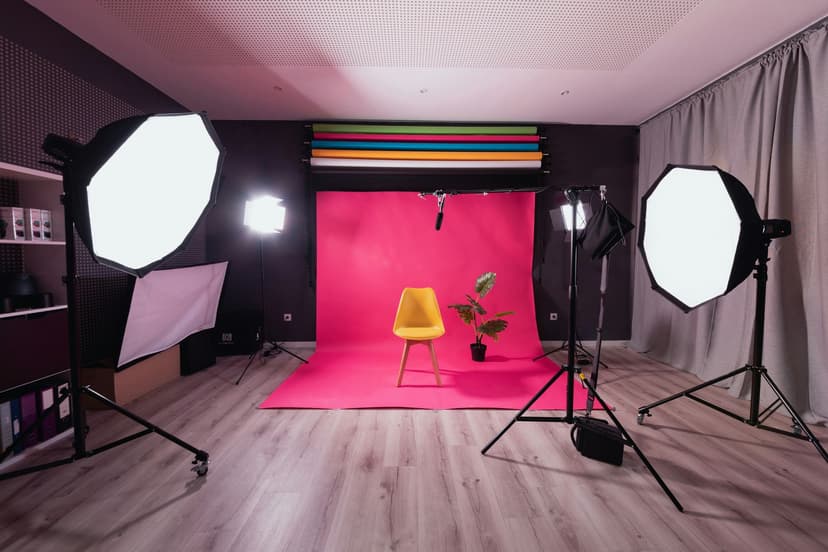
Live dealer games are filmed in dedicated broadcast studios built and operated by specialist software providers, not inside a physical casino floor. Trained, camera-ready dealers run real tables under studio lighting, streamed continuously to thousands of players at once.
The role of card and chip recognition technology
The piece of technology that makes live casino possible at scale is real-time recognition — most commonly optical character recognition (OCR) reading printed card values via a camera, or RFID chips embedded directly in cards and roulette balls that broadcast their identity to sensors built into the table. Either method lets the studio's system instantly know what card was dealt or where the ball landed, and relay that information — your bets, the community layout, the outcome — to every connected player's screen within a fraction of a second of it happening physically.
Multiple camera angles
Most live tables use several camera feeds simultaneously — a wide shot of the table, a close-up on the cards or wheel, and sometimes a dealer-focused angle — switching automatically at key moments (like a card reveal) to keep the action clear.
What a dealer's job actually involves
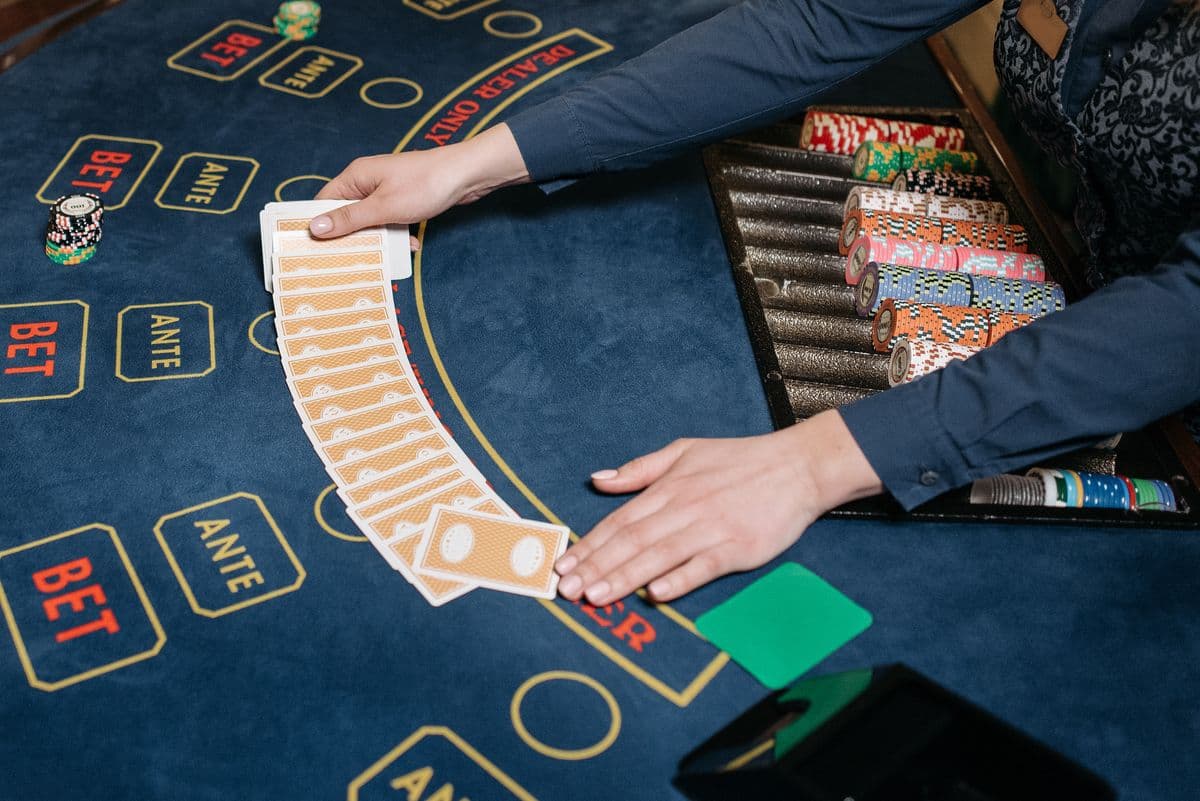
Live dealers train specifically for the format, which differs meaningfully from dealing at a physical casino table: they narrate actions clearly for a remote audience who can't see subtle table cues in person, maintain a steady pace suited to players joining and leaving throughout a round, and often manage a text chat feed alongside dealing — responding to player messages between hands without slowing the game down. This trained, camera-facing rhythm is part of what distinguishes live casino from RNG-based games.
Studio infrastructure behind the scenes
A handful of specialist providers — Evolution and Pragmatic Play Live among the largest — build and operate most of the live studios used across the industry, each offering their own roster of live blackjack, roulette, baccarat, and game show titles. A single studio typically runs many tables simultaneously in one facility, each staffed by its own dealer and camera crew, with a central control room monitoring feeds, verifying recognition-system accuracy, and handling technical issues in real time. This infrastructure is why only a relatively small number of specialist providers — rather than every individual casino brand — actually build and operate live studios, licensing their tables out to many different operators' platforms.
Frequently asked questions
How is a live table different from a video recording? Live tables are broadcast in real time — the dealer is actively running the game as you watch, not a pre-recorded loop, and your bets and actions genuinely affect the specific round you're watching.
Can I see other players at a live table? You'll typically see other players' bets and usernames reflected in the interface, and sometimes their chat messages, though you generally won't see or interact with them via video the way you do with the dealer.
Why do live tables sometimes have a queue or limited seats? Because a live table's throughput is limited by a real dealer working through real time, popular tables can fill their limited active seats — though most also allow unlimited "bet behind" participation once seats are full, as covered in the live blackjack guide.